

Cart
0
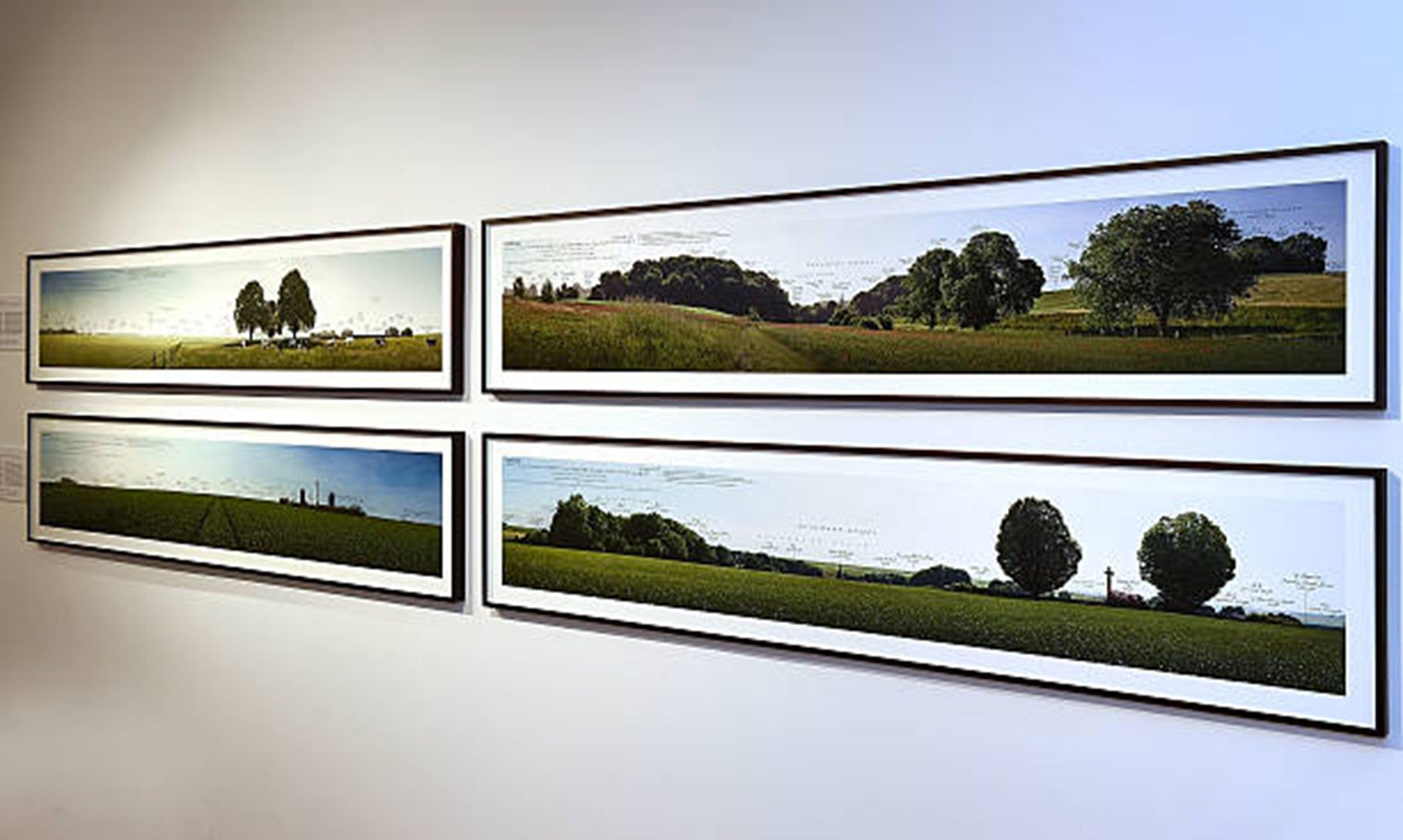
We have all been there. The furniture is set, the room looks fine, but the walls still feel empty. Small frames often get lost, and large square pieces do not always fit wide spaces.
That is where panoramic wall art makes a real difference. Its long shape works naturally with sofas, hallways, and even staircases. But getting the placement right matters just as much as choosing the image. Here’s how to approach placing wall art so it works well with the space and does not feel off.
Key Takeaways
-
Size Matters First: The width of your artwork should relate to the space below it so it does not feel too small or too heavy
-
Height Affects Comfort: Keeping artwork close to natural eye level makes it easier to enjoy without strain
-
Each Area Needs a Different Approach: Sofas, hallways, and staircases all have their own placement rules
-
Image Choice Shapes the Mood: Calm or detailed scenes can change how a room feels throughout the day
-
Simple Spacing Fixes Most Issues: Even small adjustments in gaps and alignment can improve the overall look
How to Place Panoramic Wall Art in Real Spaces
Above Sofas
The area above a sofa is often the main focus of a living room. It is also where mistakes are easy to notice. We always start by thinking about the balance between the sofa and the panoramic photo print.
Here is what we follow in real setups:
-
Keep the artwork width around two-thirds to three-quarters of the sofa.
-
Leave about 6 to 10 inches of space above the backrest.
-
Place the center of the frame close to seated eye level.
- Stick to one long piece instead of multiple small frames for a cleaner look.
A single wide panoramic wall art piece works better here because it connects the whole seating area. It also avoids the clutter that smaller frames can create. We often suggest a calm image that people can look at for a long time without feeling distracted.
In Hallway
Hallways are usually tight, which makes placement more about proportion than decoration. A wide format helps the space feel less narrow.
When we work on hallway setups, we focus on these points:
-
Keep the artwork centered along the walking path.
-
Avoid placing it too high, as that breaks the visual flow.
-
Maintain equal spacing if you hang more than one piece.
- Choose images that guide the eye from one end to the other.
This is where panoramic wall art looks perfect. Its horizontal shape naturally follows the length of the hallway. Instead of breaking the wall into sections, it creates one continuous line that feels easier on the eyes.
On Staircase Wall
Staircase walls are different because they move upward. Straight placement does not always work here, so planning is key.
Before hanging anything, we usually map it out first. Here is how:
-
Follow the angle of the stairs when placing artwork.
-
Keep the distance between pieces consistent.
-
Use paper guides or tape to test placement before drilling.
- Anchor everything properly since the area is harder to reach.
If you prefer a single piece, place it where it visually connects with the middle section of the stairs. A framed scenic jigsaw can work well here because it often has a strong visual direction that fits the upward movement.
How to Match Wall Art with Different Spaces
Not every image works in every room, and we see this often when people try to reuse the same piece everywhere. A design that feels perfect in one spot can feel out of place somewhere else. Therefore, always consider how the space is used before choosing panoramic wall art.
Here is how we usually match things in real homes:
-
Living Rooms: Go for calm and steady visuals that people can look at daily without getting tired of them.
-
Hallways: Pick images with clear direction or open space so the wall does not feel busy or crowded.
- Staircases: Choose artwork with depth or strong lines that follow the upward movement of the space.
Color matters just as much as the image itself. If your furniture and walls are neutral, adding a detailed piece can bring some life into the room. On the other hand, if the space already has bold colors or patterns, a simpler image helps keep things balanced.
In many setups, a black-and-white poster works well because it blends easily with different styles and keeps the focus on structure instead of color.
Simple Styling Tips That Make a Big Difference
Once the artwork is placed, small details can change how everything feels. We focus on keeping things simple and consistent.
These tips help bring everything together:
-
Use similar frame styles across connected areas.
-
Avoid placing artwork too high on the wall.
-
Leave enough empty space around the piece so it can stand out.
-
Align the artwork with furniture edges for a cleaner look.
- Use soft lighting to reduce glare and reflections.
A well-placed panoramic wall art piece does not need extra decoration around it. In fact, keeping the wall simple often makes the artwork stand out more.
Conclusion
Good wall art placement is not complicated, but it does require attention to size, height, and how each space works. We have seen that wide formats solve many common problems, especially in areas like sofas, hallways, and staircases. When placed correctly, panoramic wall art can bring balance and make a room feel complete without adding clutter. If you are updating your walls, consider wall art that fits your space naturally.
We offer wall art designed for real homes, so you can find something that works without overthinking the setup. Explore our collection.
FAQs
1. What is the ideal height for hanging panoramic art on the wall?
The center of the artwork should usually be around 57 to 60 inches from the floor. This keeps it at a comfortable viewing level for most people in both standing and seated areas.
2. What size panoramic wall art should I use above a sofa?
We usually recommend a piece that covers about 60% to 75% of the sofa width. This keeps the setup balanced and avoids the artwork looking too small or too heavy.
3. Can puzzles be used as wall art?
Yes, many people frame completed New England puzzles and use them as decor. It is a simple way to add a personal touch while keeping the look consistent.
4. Is one large piece better than multiple smaller ones?
In most cases, yes. A single wall art piece creates a stronger focal point and is easier to align compared to several small frames.
5. Is framing necessary for panoramic wall art?
Framing is not required, but it can add structure and protect the artwork. Many people choose simple frames to keep the focus on the image while still giving it a finished look.

