

Cart
0
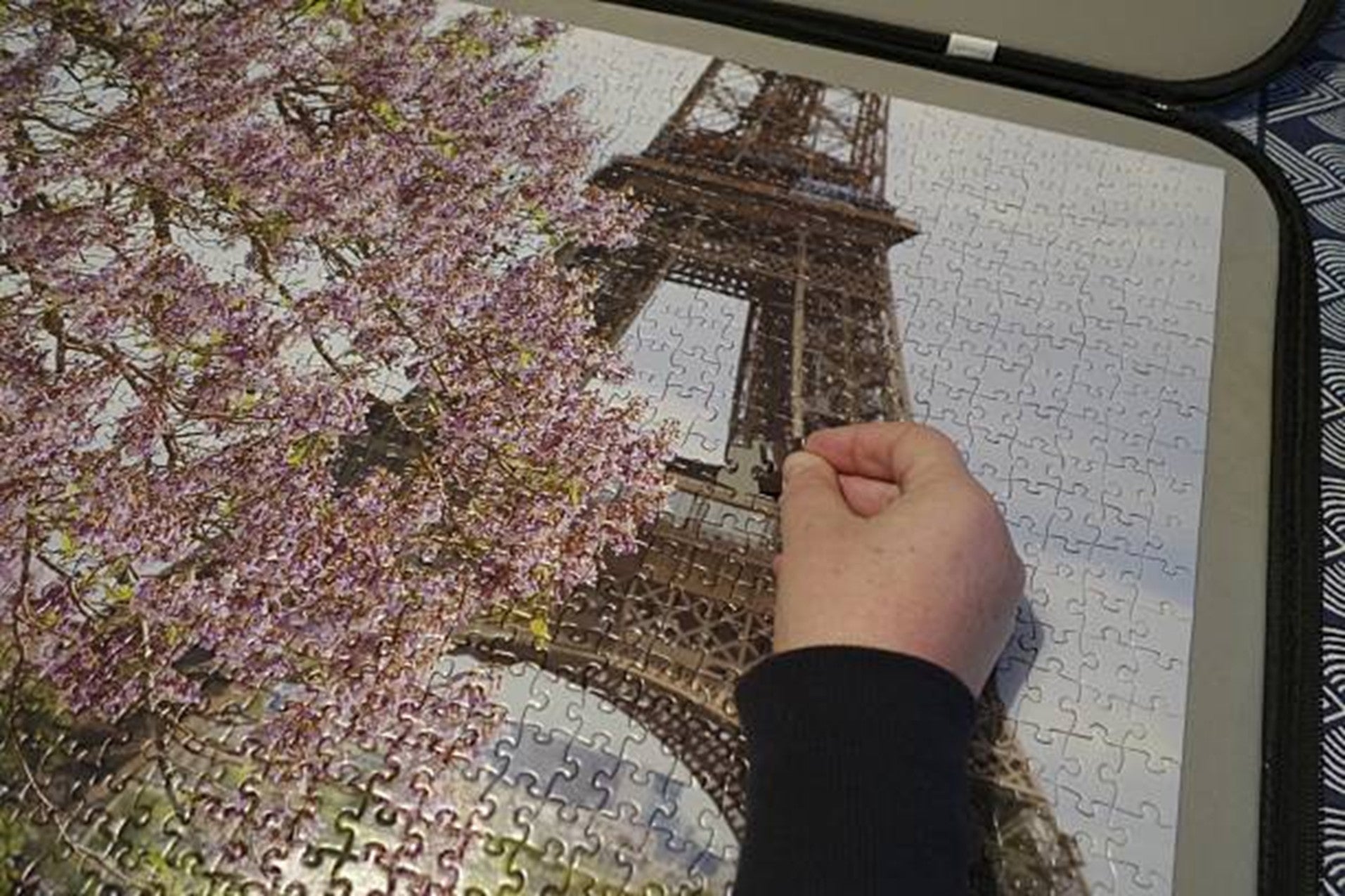
Every puzzle lover has experienced this. The mountains are finished, the shoreline is complete, and only the sky remains. What looked like the easiest part of the puzzle suddenly becomes hundreds of nearly identical blue pieces with few clues about where they belong.
Large sky sections can turn a relaxing landscape jigsaw puzzle into a test of patience. That does not mean you should avoid scenic puzzles altogether. The key is choosing images with enough contrast, texture, and natural landmarks to keep the experience enjoyable from the first piece to the last. Before choosing your next puzzle, look beyond how beautiful the image appears on the box and consider how its composition will affect the solving experience.
Key Takeaways
· Big sky sections are harder when they lack texture or color shifts.
· Clouds, horizon lines, and foreground details make puzzles easier.
· Color variety helps with faster sorting and better progress.
· A nature jigsaw should balance beauty with solvable detail.
· Strong scenic puzzles feel relaxing without becoming repetitive.
Why Big Sky Areas Can Be So Frustrating
Big-sky sections are difficult because they often offer few clues. Many pieces may share the same shade of blue, gray, or pale orange. If there are no clouds, birds, mountains, treetops, or color shifts, the puzzle becomes more about trial and error than visual problem-solving.
A little open sky can be relaxing. Too many blank spaces can slow the puzzle down. The issue is not that the sky is bad. The issue is that when the sky takes up too much of the image, there isn't enough detail to guide you.
A well-designed landscape jigsaw puzzle offers a balance between open space and distinctive features. Professional landscape photographers intentionally compose scenes with depth, contrast, and visual anchors. Those same elements make a puzzle more satisfying because they naturally divide the image into recognizable sections instead of leaving large areas that rely on guesswork.
How to Choose a Landscape Jigsaw Puzzle with Skies That Stay Interesting
1. Choose Skies with Texture and Movement
Clouds Make a Big Difference
Clouds do far more than make a landscape beautiful. They create natural sections within the sky through changing light, shadows, and texture. Instead of sorting hundreds of nearly identical blue pieces, puzzlers can work with wispy clouds, darker storm bands, glowing sunset edges, or layered formations. These subtle differences provide visual clues that make the puzzle feel challenging without becoming frustrating.
Sunsets Can Help
Sunset skies are beautiful, but they vary in difficulty. A sunset with strong color bands, cloud texture, and visible horizon details can be enjoyable. A sunset with smooth gradients and no clear edges can be difficult.
If you like sunset puzzles, choose images with trees, mountains, water reflections, buildings, or shoreline features. These details help balance the sky.
Pay Attention to the Horizon Line
A strong horizon naturally separates the sky from the landscape, giving puzzlers an obvious starting point for organizing pieces. Mountain ridges, coastlines, forests, and lakes create clear transitions that are much easier to identify than skies that gradually fade into the distance. This simple compositional element often makes a scenic landscape jigsaw puzzle feel more balanced from start to finish.
2. Balance Sky with Strong Foreground Detail
The foreground is the part of the image closest to the viewer. It often contains rocks, flowers, grass, fences, trails, docks, boats, or buildings. A detailed foreground gives puzzlers something satisfying to build while the sky remains unfinished.
Distinctive foreground subjects also create natural stopping points throughout the puzzle. Covered bridges, rocky coastlines, hiking trails, and historic buildings each form recognizable clusters that are easier to assemble before moving into larger sections of sky or water. This creates a steadier sense of progress instead of leaving the hardest sections until the very end.
This is especially useful in a nature jigsaw because natural scenes can include repeated colors. Trees, water, snow, and sky can all become tricky if they lack contrast. Foreground details add variety and help make the puzzle more balanced.
Best Foreground Features
Look for landscape puzzles with foreground elements like:
· Wildflowers
· Stone walls
· Hiking trails
· Wooden docks
· Lake cabins
· Boats
· Farm fences
· Covered bridges
· Rocky shorelines
· Snowy footprints
Many of the most enjoyable puzzles begin as carefully composed photography wall art, where lighting, depth, and perspective naturally guide the eye across the scene. Those same qualities make the finished puzzle more engaging to build and beautiful enough to display afterward.
These details make sorting easier while giving the image a stronger sense of place. Whether it is a covered bridge, a quiet harbor, colorful fall foliage, or even a hiker wearing a trucker hat along a mountain trail, small visual elements create memorable reference points that help puzzlers make steady progress.
Choose Color Variety
A landscape puzzle becomes easier when the image has several color families. If everything is blue, gray, green, or white, the puzzle becomes slower.
Better color variety looks like:
· Blue sky plus green trees plus brown trail
· Orange sunset plus dark mountains plus reflective water
· Red barn plus golden field plus cloudy sky
· White snow plus warm cabin lights plus dark pine trees
· Turquoise lake plus gray rocks plus green forest
· Purple mountains plus yellow meadow plus blue sky
Color zones help you sort pieces before you even start building. Scenes inspired by the collections found in a New England gallery often combine colorful autumn forests, historic covered bridges, coastal lighthouses, mountain ranges, and charming villages. This variety creates natural color zones that make sorting easier while showcasing the character of New England landscapes.
Conclusion
The best landscape jigsaw puzzle is not simply the one with the most beautiful view. It is the one that balances open skies with interesting details, natural color changes, and thoughtful composition. Features such as textured clouds, distinct horizons, and engaging foreground elements create a puzzle that remains enjoyable from beginning to end.
At New England Wall Art Puzzles, every puzzle begins as professionally captured landscape photography featuring the mountains, coastlines, forests, and historic landmarks that make New England unforgettable. The result is a rewarding nature jigsaw that is just as enjoyable to complete as it is to display once finished.
FAQs
Why are blue skies usually the hardest part of a landscape puzzle?
Blue skies often contain very little variation in color or texture, leaving fewer visual clues to separate pieces. Skies with clouds, changing light, or subtle gradients are generally easier to solve than large areas of solid blue.
Are mountain landscapes easier than beach landscapes?
Often, yes. Mountain scenes usually include ridges, forests, rocks, and elevation changes that create natural puzzle sections. Beach scenes may contain larger areas of open sky and water, which can increase the difficulty.
Does professional landscape photography make a better puzzle image?
Professional landscape photography often includes stronger composition, balanced lighting, and greater visual depth. These qualities create more recognizable sections that can make a puzzle both more enjoyable and more visually rewarding.
What New England landscapes offer the best balance of challenge and detail?
Scenes featuring covered bridges, autumn foliage, mountain overlooks, historic lighthouses, and coastal harbors often provide a satisfying mix of colors, textures, and landmarks without relying on large areas of repetitive sky.

