

Cart
0
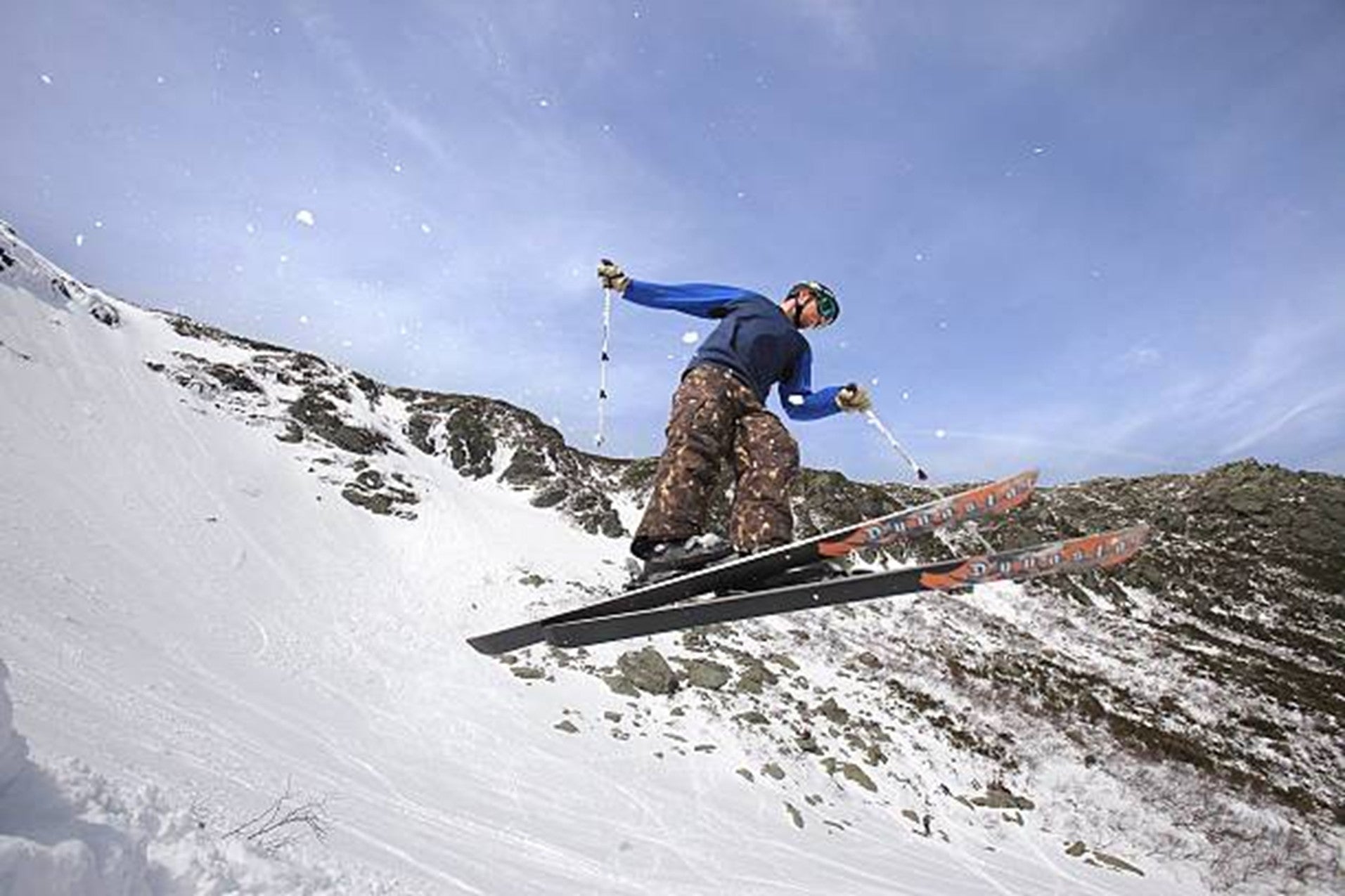
Before you chase spring turns beneath Tuckerman Ravine’s legendary headwall, the right apparel sets the tone for the entire day. This Tuckerman apparel guide starts with the essentials every skier needs when the weather shifts fast, the sunlight hits hard, and the bootpack demands comfort.
From breathable ski shirts that manage heat to ski hats built for chilly starts and trucker hats made for sunny summit hangs, each piece plays a role. Think of it as your starting point for dressing smarter, moving easier, and looking dialed from trailhead to après, all while keeping your spring ski kit practical, polished, and mountain-ready.
Key Takeaways
· Choose breathable ski shirts that help manage sweat during spring climbs.
· Pack a lightweight winter hat for warmth without bulk.
· Use trucker hats for sun coverage before and after skiing.
· Pick mountain-inspired graphics that connect apparel to place.
· Comfort, fit, and packability matter as much as style.
Tuckerman Apparel Guide: Start With the Right Ski Shirt
· Choose Breathable Fabric
A ski shirt is usually the layer closest to your body, so it matters more than many people think. For spring turns, look for breathable fabric that helps move moisture away from the skin. Merino wool, performance polyester, and blended technical fabrics are common choices.
Cotton may feel comfortable at home, but it is not ideal for active spring skiing. Once cotton gets wet from sweat or snow, it dries slowly and can make you feel cold when the wind picks up.
A good ski shirt should feel light, soft, and easy to move in. It should not cling uncomfortably under a midlayer or bunch up under backpack straps. This Tuckerman apparel guide recommends choosing shirts that work for both uphill effort and changing spring weather.
· Pick The Right Sleeve Length
Long sleeves are usually the better choice for spring skiing. They provide extra sun protection, help prevent chafing from packs, and give a little warmth when temperatures drop.
Short sleeves can work for casual wear after skiing, but they are less useful on the mountain. If you want a lighter feel, choose a thin long-sleeve ski shirt rather than a short-sleeve shirt.
For sunny spring days, some skiers prefer hooded sun shirts. These can help protect the neck and ears, especially during long approaches or while sitting on snow in bright conditions. In this Tuckerman apparel guide, long sleeves are the more practical option for most spring turn days.
· Think About Fit
The best fit depends on how you layer. A ski shirt should be close enough to wick moisture but not so tight that it limits movement. You should be able to raise your arms, bend, adjust your pack, and move naturally.
A slightly athletic fit works well for most skiers. It layers neatly under a fleece, wind shell, or insulated jacket without feeling bulky.
This Tuckerman apparel guide recommends testing your ski shirt with your actual pack and outer layers before the trip. A shirt that feels great in the mirror may feel different after two hours of uphill travel.
How to Choose Ski Hats for Spring Conditions
· Warmth Without Overheating
A ski hat for spring should be warm, but not too heavy. Thick winter beanies can be useful in deep cold, but they may feel excessive during a sunny climb. A lighter knit hat or low-profile fleece hat is often more practical.
The key is packability. You may wear the hat early in the day, remove it while hiking, put it back on during a break, and switch to a helmet before skiing. A bulky hat takes up more space and can be harder to manage.
A lightweight winter hat can still be useful in spring if the day starts cold or the wind is strong. Look for one that covers the ears, fits under or near your helmet setup, and dries quickly if it gets damp.
· Helmet Compatibility Matters
If you ski steep spring terrain, a helmet is a smart part of your setup. Your hat should not interfere with helmet fit. Avoid thick pom-pom hats or bulky seams if you plan to wear them under a helmet.
Many skiers carry a thin liner hat or skull cap for this reason. It adds warmth without changing the helmet fit too much.
Even if your ski hat is mostly for the approach or the parking lot, choose one that packs flat and stays comfortable. This Tuckerman apparel guide treats headwear as part of the full layering system, not just an accessory.
· Style Still Counts
Technical performance matters first, but style still has a place. Spring skiing has a strong culture of personal expression. Graphic ski shirts, classic knit hats, and locally inspired designs can make your setup feel connected to the landscape.
For White Mountains-inspired apparel, designs based on ridgelines, trail signs, snowfields, and New Hampshire prints can feel more meaningful than generic mountain graphics. They tell a story without trying too hard.
Trucker Hats for The Approach and Après
A trucker hat is one of the most useful casual pieces for spring ski days. It is not for skiing under a helmet, but it works well before and after the main descent.
Trucker hats help shade the face, manage messy helmet hair, and keep the sun out of your eyes while driving, gearing up, walking around town, or relaxing after a ski day. Mesh-backed styles also breathe better than solid caps, which helps when the weather warms up.
For spring turns, a trucker hat is best used as a transition piece. Wear it at the trailhead, pack it during the climb, then bring it back out after the skiing. The Tuckerman apparel guide also recommends choosing a trucker hat that feels comfortable enough for travel, errands, and post-ski downtime.
· Look For Durable Construction
A good trucker hat should hold its shape without feeling stiff or cheap. Look for a comfortable sweatband, an adjustable snapback, breathable mesh, and a front panel that does not collapse after a few uses.
If you are choosing a hat for outdoor travel, darker colors can hide dirt better, while lighter colors may feel cooler in the sun. Either can work depending on your style.
· Choose Graphics with Meaning
Trucker hats are a natural place for regional artwork. A clean mountain graphic, a ravine outline, a ski-inspired patch, or a White Mountains design can make the hat feel specific rather than generic.
This is where art and apparel can overlap. The same landscape that looks beautiful as photography wall art can also inspire a hat patch, a shirt graphic, a trail-town souvenir, or a premium jigsaw. When the design is connected to a real place, the apparel feels more personal.
Conclusion
Spring skiing is easier to enjoy when your apparel works with changing weather, steady movement, and post-ski comfort. This Tuckerman apparel guide shows how the right ski shirt, practical headwear, and a well-made trucker hat can help make the day go more smoothly from the trailhead to the last turn.
Choose breathable fabrics, packable warmth, helmet-friendly hats, and graphics that connect your gear to the mountains you love. When your clothing feels comfortable and meaningful, every spring outing feels more relaxed, prepared, and memorable.
Bring the spirit of the White Mountains home with New England Wall Art Puzzles inspired by your favorite alpine views.
FAQs
How should I wash ski shirts after a spring ski day?
Wash ski shirts with mild detergent and avoid fabric softener because it can reduce moisture-wicking performance. Turn graphic shirts inside out before washing to help protect the design. Air-drying is often best because high heat can weaken elastic fibers and shorten the lifespan of technical fabrics.
Should I bring a backup shirt for the ride home?
Yes, a dry backup shirt can make the ride home much more comfortable. Spring skiing often involves sweat, wet snow, and changing temperatures. Keeping a clean shirt in the car or gear bag helps you cool down, feel fresh, and avoid sitting in damp clothing at the end of the day.
What size ski shirt should I buy if I am between sizes?
Choose the size that gives you better shoulder and arm movement. A ski shirt that is too tight can feel restrictive when reaching, bending, or carrying gear. A slightly roomier fit is usually better as long as it does not bunch under layers or feel oversized.
Are graphic ski shirts good for gifts?
Yes, graphic ski shirts make thoughtful gifts when the design connects to a favorite mountain, trail, region, or ski memory. For skiers who love the White Mountains, locally inspired artwork can feel more personal than a basic outdoor shirt.
How can I keep hats from smelling after outdoor use?
Let hats dry fully before storing them. Sweat and moisture trapped in a pack, car, or gear bin can lead to odor. Spot-clean as needed, follow the care label, and avoid throwing structured hats into high-heat drying cycles, as they may lose shape.
What apparel details matter for spring ski photos?
Clean graphics, simple colors, and mountain-inspired designs photograph well against snow, rock, trees, and blue sky. Avoid overly busy patterns if you want the landscape to stand out. A well-chosen shirt or hat can make ski-day photos feel more polished without looking forced.

