

Cart
0
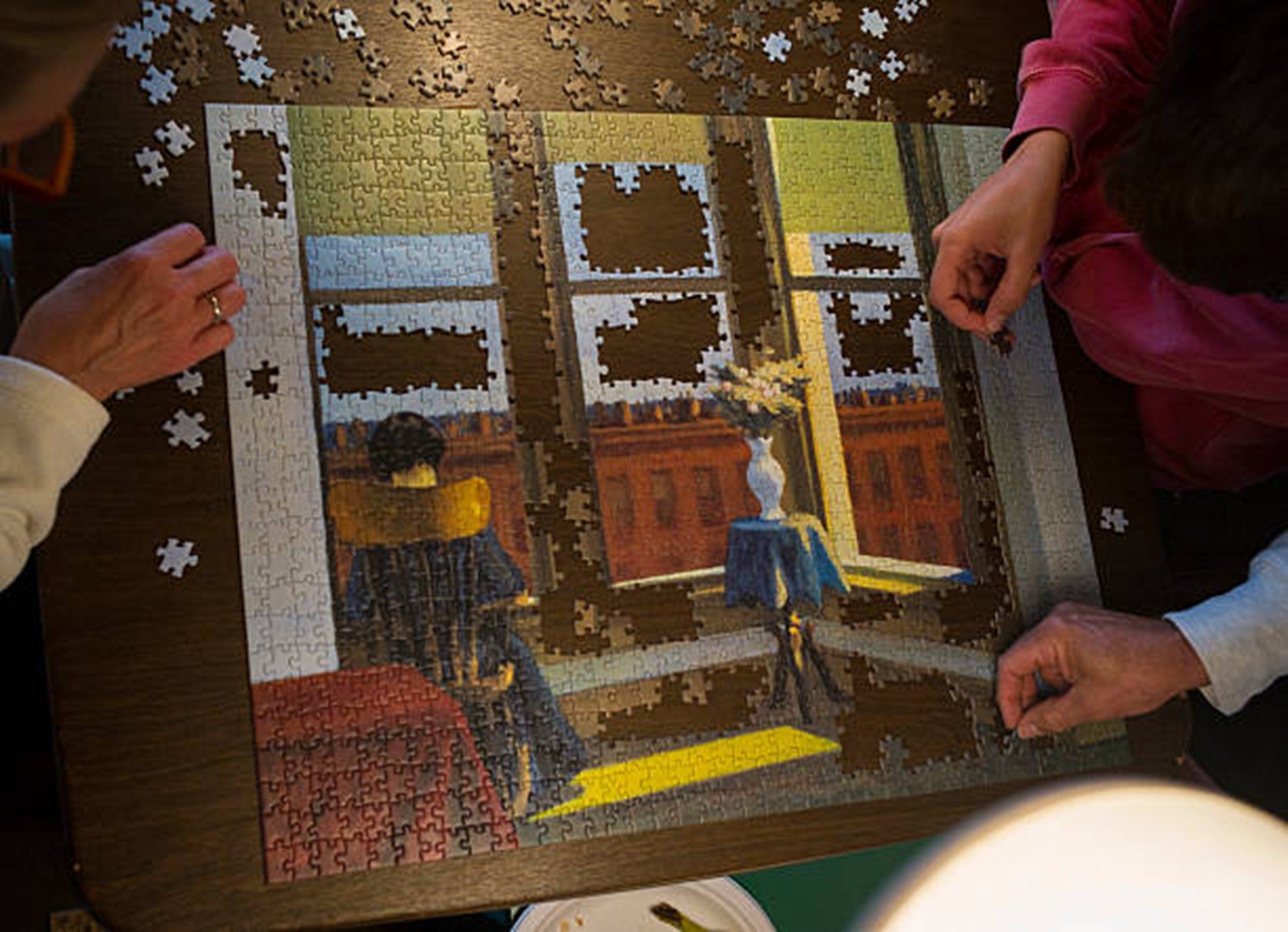
Have you ever chosen a scenic puzzle that looked stunning on the box but became frustrating once every piece seemed to contain the same patch of sky?
Image detail plays a major role in how enjoyable, challenging, and satisfying a scenic jigsaw puzzle becomes. Clear landmarks, varied textures, changing colors, and recognizable shapes can make progress easier to track, while large areas of similar detail can make progress harder to track.
The right choice depends on whether you prefer relaxed assembly or a puzzle that tests patience and observation.
To make that decision easier, read the sections ahead to understand the visual details that affect difficulty, pacing, and overall enjoyment.
Key Takeaways
-
Image complexity can influence difficulty as much as piece count.
-
Distinct textures and recognizable objects support easier sorting.
-
Strong contrast helps separate important areas of the picture.
-
Background detail should remain clear across the full composition.
-
Print quality affects how accurately small visual features appear.
-
The best puzzle matches your patience, experience, and preferred challenge.
What to Look for in a Scenic Jigsaw Puzzle Image Detail for Adults
Texture and Pattern Density
Limit Large, Empty Sections
Wide stretches of plain sky, still water, sand, or snow can make a scenic jigsaw feel harder because those pieces offer very little visual variation. The issue is not that open space is always bad, but that too much of it can slow the puzzle down. Before buying, estimate how much of the image is occupied by smooth, uninterrupted areas.
A balanced scene may still include sky or water, but it should also contain smaller features such as clouds, birds, waves, reflections, or distant objects. These additions create visual interest without making the picture crowded. Choose an image where open space supports the scenery rather than becoming the main challenge.
As a practical reference, the Chocorua NH Puzzle combines water, a distinctive yellow building, autumn foliage, and surrounding landscape details, creating several recognizable areas within one scene.
Varied Natural Surfaces
Natural scenery becomes more engaging when it includes several types of surface detail. Rocky slopes, flower gardens, weathered fences, tree trunks, stone paths, and layered foliage each create a different visual character. Many New England puzzles combine coastal rocks, historic buildings, autumn trees, and harbor scenery, giving the image a broad mix of natural and architectural features.
The goal is variety, not maximum complexity. A picture filled entirely with similar leaves, stones, or branches may still feel repetitive. Look for scenes that move between different materials and textures. This variety keeps the puzzle visually rich while giving each area its own recognizable character.
For example, the Lupines Puzzle offers a helpful example of varied natural surfaces, with detailed flowers, greenery, and a wider New Hampshire landscape spread across a panoramic format.
Evaluate Background Complexity
The background deserves as much attention as the main subject. A lighthouse, cabin, or boat may look appealing, but a distant background filled with vague hills or empty sky can become difficult once the picture is divided into pieces. This is especially important with a panoramic photo print, where the wide format may place important details far apart.
Look for backgrounds that contain visible layers, such as distant buildings, tree lines, mountain ridges, clouds, or shoreline features. These elements create depth without leaving large sections unresolved. A strong background should support the focal point and add meaningful visual information rather than simply filling space.
A useful example is the Presidential Range Puzzle, where layered mountain ridges and changing terrain distribute visual detail across a wide 1,000-piece format.
Color and Contrast
Look for Strong Object Contrast
A distinct subject can give the eye an immediate place to begin. A bright boat against dark water, a white lighthouse beside blue sky, or a golden cabin surrounded by deep green trees creates a clear visual anchor. In a scenic jigsaw, these contrasting objects help separate the main subject from the surrounding landscape.
The strongest images include more than one focal accent, so the entire scene does not depend on a single bright feature. Contrast can come from color, brightness, size, or shape.
Choose a picture where important objects remain easy to identify, even when the overall palette feels calm and natural.
Prefer a Diverse but Cohesive Palette
A good puzzle image should offer enough color variety to keep sections recognizable without making the scene feel disconnected. Cool blues and greens may dominate a coastal landscape, while warm reds, browns, and golds may define buildings or autumn foliage. A scenic jigsaw benefits from a palette that feels unified while still giving each subject a clear identity.
A black and white poster-style design can achieve the same effect through strong tonal range rather than color. Look for images with a thoughtful mix of shades instead of scenes where every element carries nearly the same tone.
The White Mountain Autumn Puzzle offers a helpful example because its fall foliage, mountain ridge, and seasonal tones create several recognizable color areas without making the composition feel disjointed.
Watch for Excessive Gradients
Gradients create a different type of challenge because the color changes slowly rather than ending at a clear boundary. Sunset skies, shadowed hillsides, reflective lakes, and evening scenes often contain these smooth transitions. When choosing a scenic jigsaw, examine how much of the picture relies on gradual shading.
A small gradient can add depth and atmosphere, but a large one may leave many pieces looking almost identical. Look for images where the fade is broken by clouds, branches, rooftops, birds, or distant landforms. These features preserve the mood of the scene while preventing one broad section from becoming too visually uniform.
Line and Edge Definition
Use Architecture for Geometric Clues
Cabins, bridges, docks, roads, fences, windows, and rooftops add geometric structure to a landscape. Their straight lines, corners, and repeated shapes create a different visual experience from trees, water, or clouds. A scenic jigsaw that includes architecture can offer clear orientation clues, especially in larger piece counts.
These features often form recognizable patterns that can be assembled as smaller sections.
Choose images where built elements are visible enough to show their form rather than being hidden by darkness, distance, or vegetation. Architecture works best when it supports the scenery and adds structure without becoming the only subject in the picture.
The Covered Bridge Woodstock, Vermont, Puzzle demonstrates this balance through visible rooflines, bridge openings, and structural edges surrounded by natural scenery.
Choose Images with a Clear Visual Path
Some landscape images naturally lead the eye from the foreground into the distance. A road approaching a village, a river flowing toward a bridge, or a trail winding through trees creates a clear visual path. In a scenic jigsaw, this type of composition helps the finished image feel connected and intentional. The path does not need to be a literal road or river.
Rows of buildings, receding fence lines, or changing terrain can create the same effect.
Choose scenes where the main elements follow a noticeable sequence rather than appearing scattered. A strong visual path makes the overall composition easier to understand without repeating the role of architectural edges.
Check Print and Image Quality
A strong image can lose its value if the final print is blurry, pixelated, overly dark, or poorly reproduced. Image quality should be evaluated separately from the amount of detail in the scene. Before buying a scenic jigsaw, review product photos, close-up images, and customer feedback when available.
Check whether fine features remain clear, colors look accurate, and the printed puzzle matches the reference image. Light mist or soft backgrounds can still work, provided the main subjects remain readable. Good reproduction ensures that the puzzle reflects the intended artwork and that the challenge comes from the design rather than weak printing or unclear photography.
Conclusion
Choosing the right scenic jigsaw puzzle is not only about finding an attractive landscape. The image should also offer the right balance of texture, contrast, color variation, background clarity, and recognizable features for your preferred level of challenge. Scenes with distinct objects and varied surfaces can support steady progress, while large uniform areas and subtle gradients may require more patience.
By studying the image before buying, you can choose a puzzle that feels engaging rather than frustrating. A well-matched scenic jigsaw creates a rewarding experience from the first sorted pieces to the completed picture.
Discover thoughtfully selected puzzles and wall art at New England Wall Art & Puzzles.
FAQs
Are photographic scenic puzzles harder than illustrated puzzles?
Photographic puzzles may include subtle shadows, realistic textures, and gradual color changes, while illustrated puzzles often use cleaner outlines and more controlled color areas. Difficulty depends on how clearly the image separates its main subjects.
Do seasonal landscapes affect puzzle difficulty?
Yes. Autumn scenes often provide strong color variation, while winter landscapes may contain large areas of snow or pale sky with fewer identifying details.
Are nighttime scenic puzzles more difficult?
They can be. Dark skies, deep shadows, and limited contrast may make individual pieces harder to distinguish, especially when several sections use similar tones.
How can I judge image detail from an online product photo?
Zoom in on the image and examine the corners, background, sky, water, and shadowed sections. Do not focus only on the main subject because difficult areas often appear elsewhere in the composition.
Is a busy, scenic image always difficult?
Not necessarily. A scene with many unique objects may be easier than a simpler image filled with repeated trees, waves, clouds, or similar-colored surfaces.
Do reflections make scenic puzzles harder?
Reflections can increase difficulty when water mirrors the sky, buildings, or trees in similar colors. However, visible ripples and changing light can also provide useful pattern differences.

